Brand Strategy
The one who’s right on paper isn’t always the one who truly gets you
Twice during Liquidnet’s rebrand, we hired the impressive option. Twice, we had to admit we’d got it wrong and start over.
I’ve thought more about those two decisions than about anything in the finished design. Because the hardest part of rebranding a twenty-year-old company isn’t the logo, or the colour, or the campaign. It’s being willing to look at a call you made—researched, championed, put your name on—and say out loud, “this isn’t working,” before pride turns a wrong turn into a dead end.
The brief itself was the easy bit. We knew what the new brand had to carry: performance at the centre, a real commitment to technology and culture, and the one thing competitors couldn’t copy—our ecosystem of investment liquidity and opportunity. We wanted a voice that was bold, confident, and colourful, with a dash of personality. All very easy to write down. As I was about to be reminded, writing it down and getting it made are two different sports.
Green flags, then red flags
We did the work to find the right partners. Research, conversations, references—you don’t hand a twenty-year-old brand to someone on a whim. We made considered choices, as a team, and I signed off on them. My name was on the call.
And then the brand identity started to drift. The work was competent, but it wasn’t getting at what the business needed, or who we actually were. You know the feeling—the green flags you saw at the start quietly turning amber, then red. The work that looks fine in a meeting and rings hollow everywhere else.
Here’s the uncomfortable part, and the real subject of this piece. When something you’ve committed to starts going wrong, every instinct tells you to defend it. Sunk cost is bad enough; ego is worse. Admitting it isn’t working means admitting the decision was wrong—and we’d made that decision together, which somehow makes it harder to unpick, not easier. Nobody wants to be the one who reopens what the whole room already agreed.
But protecting a decision and doing good work are not the same thing. So we drew the line. We accepted the cost, the awkwardness, and the lost time, and we changed course.
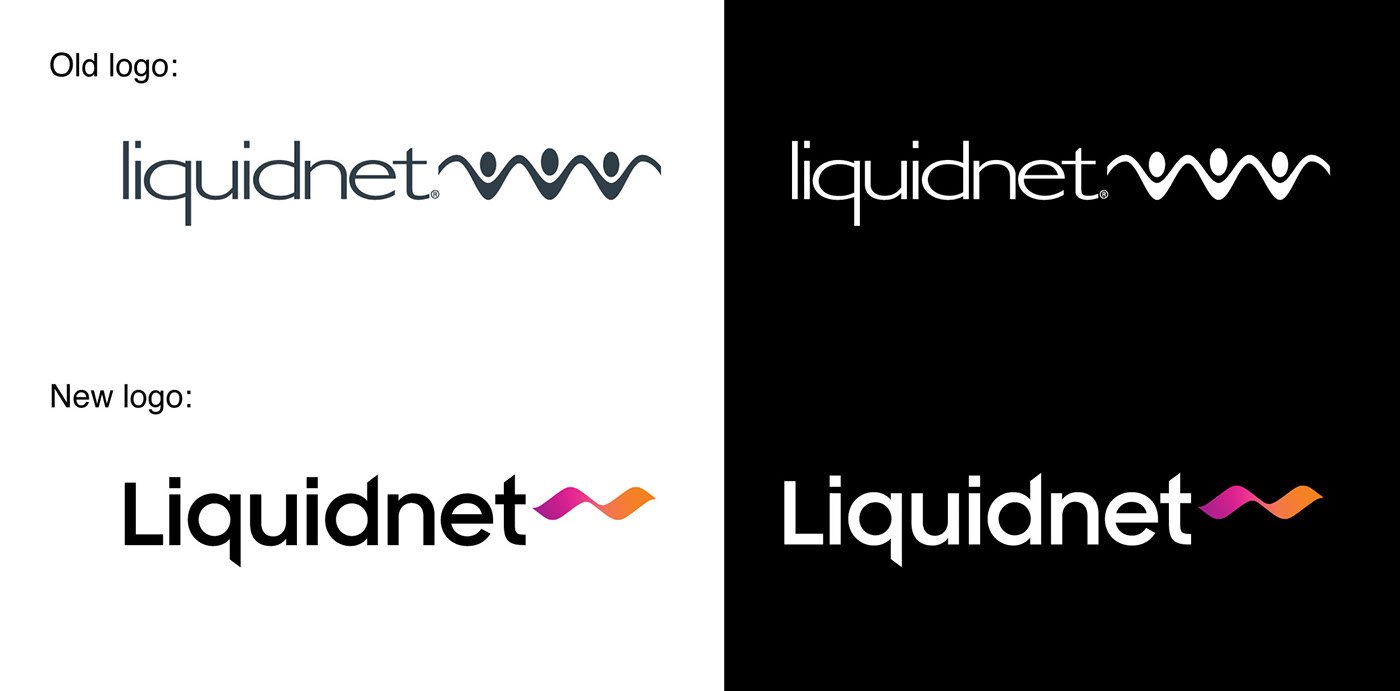
We brought in Hieronymus—a small, talented husband-and-wife studio I’d already done a stack of visual-marketing work with. Less imposing than a full agency on paper. Exactly right in practice. They understood the business and the ambition, and they turned a hard brief into an identity that was genuinely ours: bold, confident, colourful, with the personality we’d been chasing.
Then we got to do it all again
The website ran in parallel and—because the universe has a sense of humour—taught us the same lesson a second time.
We’d started with a web agency built around a flexible, around-the-clock resourcing model. On paper, very appealing: work progressing while you sleep, efficiency and quality both. In practice, the work wasn’t good enough, it wasn’t fast enough, and it wasn’t responding to feedback that was specific and entirely actionable. I’ll spare you a theory of why—I honestly don’t know whether it was the model, the management, or the mix of people, and it would be unfair to pretend I do. What I know is what showed up on the screen, and it wasn’t it.
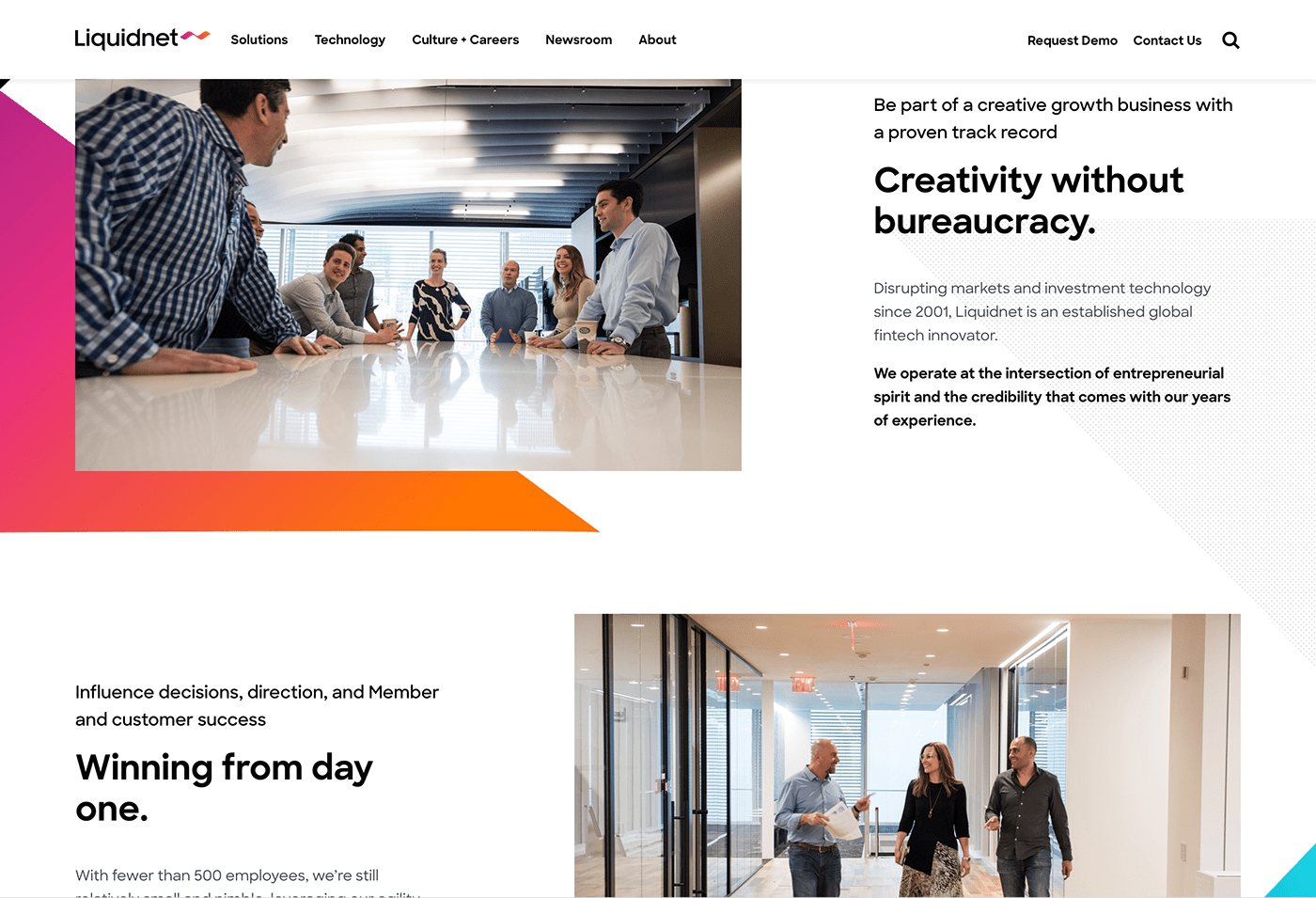
So, same move. Draw the line, wear the consequences, move on. We turned to Paper Tiger, a small New Jersey agency that specialised in Squarespace builds—and the platform wasn’t a punt, because I’d already had real success with Squarespace at Big Apple Performing Arts. Working with them was a freelance content strategist, Jackie Julie, who was sharp, creative, and understood both the business and what we were trying to say. Together they built a site that put technology and culture front and centre, told the story through our ecosystem rather than a product list, and spoke—properly, for the first time—to new audiences like investment professionals, brokers, and hedge funds.
Twice, the more impressive-sounding option underdelivered. Twice, the answer was a smaller team whose skill and judgement I trusted more than the size of their portfolio. Once is bad luck. Twice is a lesson.
What it set in motion
A rebrand doesn’t transform a company on its own, and I’m wary of anyone who says theirs did. But this one did real work.
It energised our people first, which is where these things live or die. When we moved into new headquarters, the brand was there too—not as a logo on a wall, but woven into the interior design itself. That was the whole idea: a brand isn’t a mark you apply, it’s a through-line that has to hold across everything a business does—its products, its spaces, and the way it meets its customers. If it only lives on the website, it isn’t really the brand.

It connected with customers. And over the following years, as the business sharpened around a clearer story, it was part of what left the company well positioned for an acquisition.
I won’t claim the brand caused that. Plenty of things did. But a coherent, confident, modern identity made Liquidnet easier to understand, easier to back, and harder to mistake for anyone else—and that’s worth more than it sounds when the stakes are real.
The part worth keeping
If there’s a lesson, it isn’t about taste, and it certainly isn’t about being right. It’s that the most impressive partner on paper isn’t always the one who gets you. The portfolio dazzles. The pitch lands. And then the work arrives, and something’s just off—for you, for your team, for everyone in the room.
The temptation is to keep trying to make it work. But a relationship that isn’t landing doesn’t improve because you’re invested in it. The braver thing—in work as in life—is to be honest that it isn’t right, wear the cost of having picked it, and go find the ones who do get you. They’re often smaller, quieter, easier to overlook. And when you trust them, they tend to do the best work of the whole thing.
Great design is never the easy part. Neither is the courage to walk away, or the courage to trust the people who quietly understand you. Put those together, though, and you get something worth all the false starts.
Brand identity: Hieronymus. Interiors: TPG Architects. Website: Paper Tiger, with content strategy by Jackie Julie. Imagery courtesy of Liquidnet. The rebrand launched across 2018–2019.